Plantscape Design Dubai | Planting & Greenery Solutions
Bring spaces to life with plantscape design in Dubai. Explore climate-aware planting, plant selection and greenery plans for homes, offices and outdoor areas.
Plantscape Design in Dubai: Add Lasting Greenery to Indoor and Outdoor Spaces
Plantscape design gives a property its character through carefully planned greenery. It can soften architecture, define outdoor rooms, add privacy and make an entrance feel more welcoming. In Dubai, successful planting depends on matching each plant to its exact conditions—not simply choosing what looks attractive in a photo.
A considered plantscape design in Dubai brings together climate, light, soil, water and maintenance. Whether you want a lush villa garden, a neat commercial frontage or greenery inside an office, a clear planting plan helps each element look intentional and remain manageable.
Read the planting conditions first
Before choosing species, assess the site. Outdoor beds may receive full sun, reflected heat or shade for much of the day. Indoor areas have different light levels and air-conditioning conditions. A designer can record these differences and group plants with similar requirements, which makes care easier and improves the chance of healthy growth.
Check soil condition, drainage, exposure to wind and available irrigation. A plant that thrives in a sheltered courtyard may struggle beside a hot boundary wall. Consider mature height and width as well as the size of each plant at installation. This prevents overcrowding and protects paths, façades and service areas.
Select plants for the desired effect
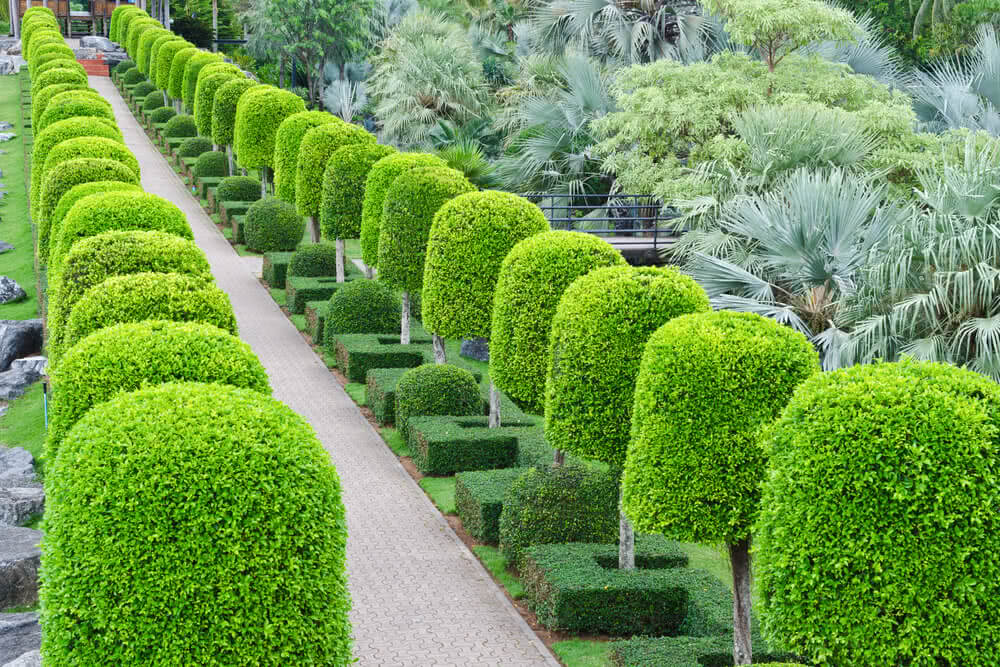
Plantscape design should start with the feeling you want to create. Trees and tall shrubs can provide structure and privacy. Layered mid-height planting adds depth, while groundcovers soften edges and reduce bare soil. Repeating a few compatible species often creates a more polished look than using many unrelated varieties.
For a Dubai garden, consider heat tolerance, water requirements and local availability. A planting professional can recommend options suited to the site and explain expected growth and care. Use feature plants with intention, and give them enough space to reach their mature form without constant corrective pruning.
Create a cohesive garden composition
A strong planting composition balances form, texture, colour and scale. Evergreen structure can provide a consistent foundation, while seasonal flowers and accent foliage introduce variation. Repeating shapes or plant groups helps connect different areas of a villa garden or commercial landscape.
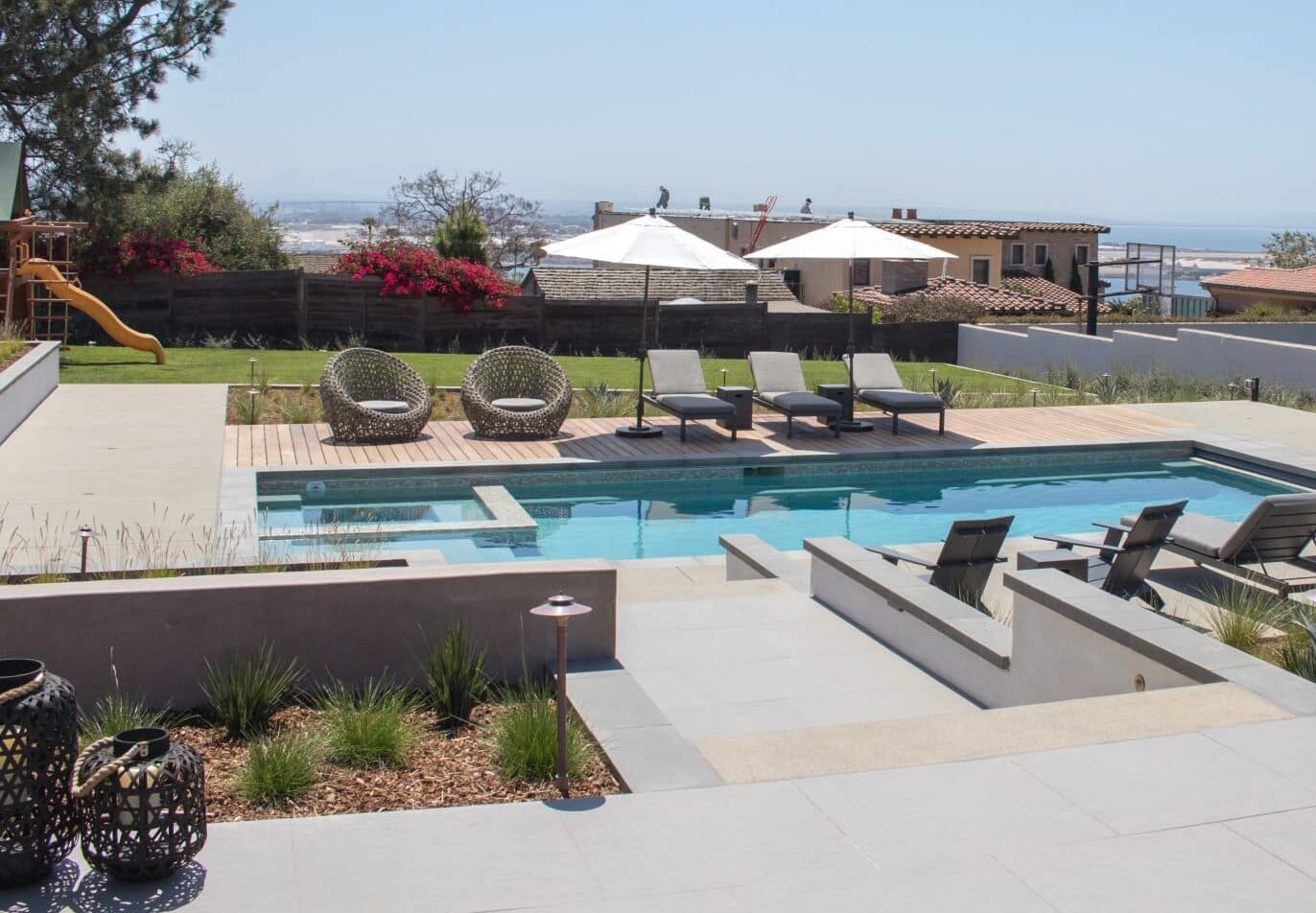
Planting should also relate to architecture and hardscape. Use greenery to frame a doorway, soften a boundary or guide a visitor toward a focal point. Keep sightlines open where security or views matter. Around a pool or dining area, select plants that suit the setting and will not create excessive litter or obstruct circulation.
Plan irrigation and ongoing care
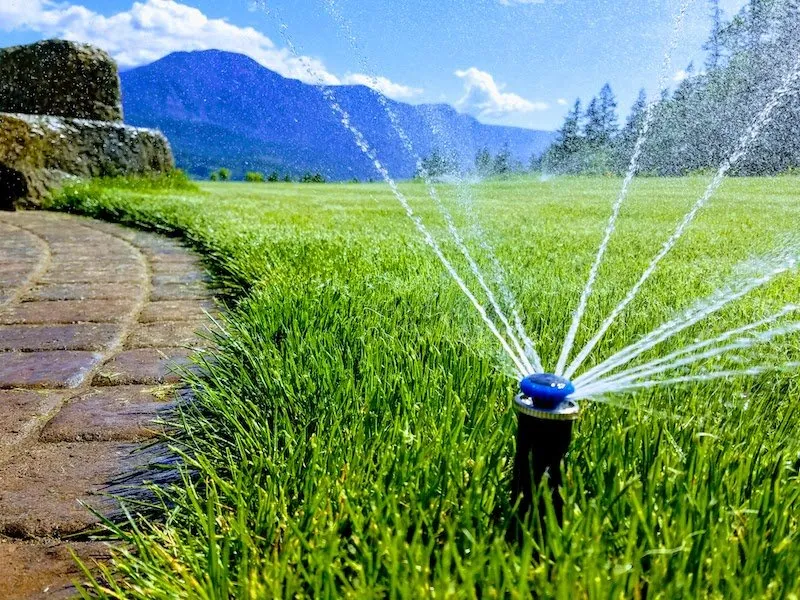
Good planting needs a matching irrigation strategy. Group plants by water demand and use appropriate irrigation methods for each bed. Drip irrigation can direct water to roots while reducing overspray on paving. A controller should support sensible schedules, and the installer should explain how to adjust them as conditions change.
Every landscape needs some maintenance. A realistic care plan may include pruning, checking irrigation, replacing mulch and monitoring plant health. A low-maintenance plantscape does not mean no maintenance; it means choosing plants and layouts that fit the time and resources available.
Use a professional planting service in Dubai
A Dubai planting service can coordinate plant sourcing, soil preparation, installation and aftercare guidance. Ask how the team selects plants for sun and shade, how it prepares the beds and what happens if a plant fails to establish. Clarify whether the proposal includes irrigation adjustments and maintenance visits.
For indoor plantscaping, discuss natural light, air-conditioning, access and safe placement. For outdoor projects, confirm property access and any community-specific requirements before work starts. A written scope makes expectations clear and helps the team deliver greenery that fits the site.
Use plant layers to give the garden structure
A planting plan gains depth when it uses distinct layers rather than a single row of identical shrubs. Trees can establish overhead scale and provide a visual anchor, while mid-height plants define boundaries and groundcovers soften the soil. Repeating selected groups guides the eye through the garden and connects separate beds. Leave breathing room between plants based on their expected mature size, even if the initial installation looks less dense than a fully grown reference image.
Balance evergreen structure with seasonal interest and varied foliage. Differences in leaf shape, texture and height can create a rich composition without relying on constant flower colour. Place stronger focal plants where they can be appreciated from a window, entrance or seating area. Avoid placing every feature plant in a straight line; thoughtful grouping can look more natural while still respecting clean architectural edges and clear pathways.
Choose plants with their mature needs in mind
Before selecting a species, check its mature height and spread, expected root behaviour and response to local sun exposure. A plant that looks compact in a container may eventually obscure a window, narrow a path or compete with nearby trees. Ask the supplier or landscape professional for guidance on growth and pruning needs. The goal is to choose plants that fit the available space naturally instead of relying on frequent heavy trimming to keep them in bounds.
Consider how plants interact with buildings and outdoor amenities. Keep access clear around air-conditioning equipment, drains, pool systems and utility covers. Avoid placing messy fruiting or heavy-shedding plants directly over areas that need to stay clean. Near seating and entrances, fragrance, pollen and insect activity may also affect comfort. These practical details do not limit creativity; they help place each plant where its strongest qualities can be enjoyed.
Prepare soil and establish new planting
Healthy establishment begins with suitable planting beds. Check drainage and soil condition, remove construction debris and prepare the ground according to the plants selected. The right preparation can differ between a tree, a shrub bed and a planter, so the planting schedule should describe any amendments or structural requirements. Confirm that irrigation lines reach the intended root zones and that water can drain without accumulating against walls.
New plants need consistent aftercare while their roots establish. Follow the installer’s guidance on watering and avoid changing the schedule based on guesswork. Monitor leaves, soil moisture and plant stability, and report signs of stress early. Keep mulch or other bed finishes at an appropriate distance from trunks and stems. A clear establishment plan identifies who checks the planting, how often the system is reviewed and what support the contractor provides.
Plan indoor plantscaping as a separate environment
Indoor plantscaping has different conditions from an outdoor garden. Window direction, filtered light, air-conditioning, temperature changes and access for watering all influence plant selection. Identify the actual light available throughout the day rather than assuming a bright room suits every plant. For offices, consider circulation, cleaning schedules and whether planters can be safely moved for maintenance.
Container choice matters as much as the plant. Ensure planters have an appropriate drainage solution, stable placement and a finish that suits the interior. Protect floors and nearby surfaces from water, and agree how the maintenance team will reach plants without disrupting daily activity. A practical indoor planting scheme can still feel lush; it simply aligns the selection and care routine with the building’s real conditions.
Set a clear planting maintenance plan
A professional planting service should explain what ongoing maintenance includes. Clarify responsibility for pruning, fertilising, pest monitoring, irrigation inspection, replacing failed plants and cleaning planters. Ask which visits are part of the installation package and which services carry a separate cost. This prevents uncertainty when a plant needs attention and makes it easier to compare maintenance proposals.
Review the planting after it has had time to grow. Some gaps may fill naturally, while others may need a revised layout or replacement. Keep records of plant names and installation locations so future care remains consistent. If your household’s priorities change, a planting specialist can recommend selective additions or removals without redesigning the entire garden. Regular, considered adjustments help the landscape mature while preserving a balanced composition.
Keep planting healthy as it matures
As a plantscape matures, its original spacing and light conditions can change. A young tree may begin to shade a nearby bed, or expanding shrubs may narrow a path. Schedule a periodic review to assess plant health, airflow, irrigation coverage and clearances. Selective pruning or moving a plant while it is still manageable can preserve the composition better than repeated severe trimming after the garden becomes crowded.
Keep a simple record of plant names, locations and care requirements. This information helps gardeners identify what is thriving and makes replacement choices more consistent if a plant fails. Note any adjustments to irrigation and the date of major pruning. If you notice persistent leaf damage or unusual growth, consult a qualified horticulture professional before applying treatments. Correct identification is important because symptoms can have different causes, including watering, exposure or pests.
When adding new planting later, consider the established palette and mature scale. A new species should complement existing forms and fit the water and light conditions of its location. Avoid filling every gap immediately; some spaces may close naturally as plants grow. Thoughtful additions preserve visual balance and reduce unnecessary maintenance. This measured approach helps a Dubai garden stay attractive without replacing the original planting concept every season.
Frequently Asked Questions
What is plantscape design?
Plantscape design is the planned use of plants in an indoor or outdoor space. It considers placement, scale, climate, light, irrigation and ongoing care as part of the overall design.
Which plants work best in Dubai gardens?
The right plants depend on sunlight, soil, water availability and the look you want. Choose species suited to local exposure with advice from a qualified planting professional, rather than relying on a one-size-fits-all list.
Can a plantscape be low maintenance?
Yes. Group plants by care needs, choose suitable species, use efficient irrigation and avoid overcrowded planting. Schedule periodic pruning and system checks to keep the result healthy.
Plan your project
Planning new greenery? Arrange a site review and discuss the light, maintenance level and style you want so your plantscape fits your Dubai property.