Poolscape Design Dubai | Poolside Landscaping
Plan poolscape design in Dubai with comfortable paving, privacy planting, shade and lighting. Create a practical poolside setting for your home or property.
Poolscape Design in Dubai: Build a Comfortable Poolside Retreat
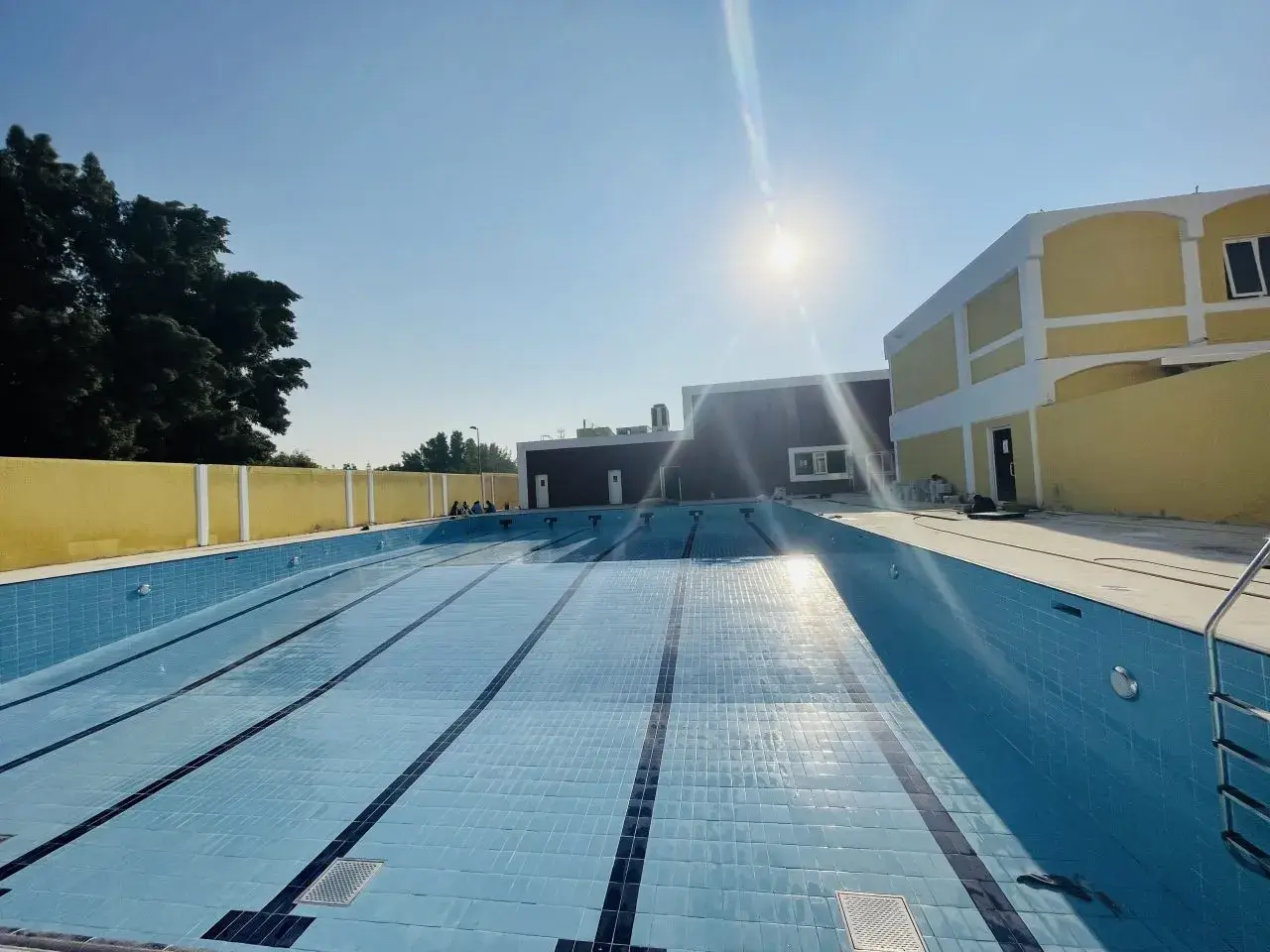
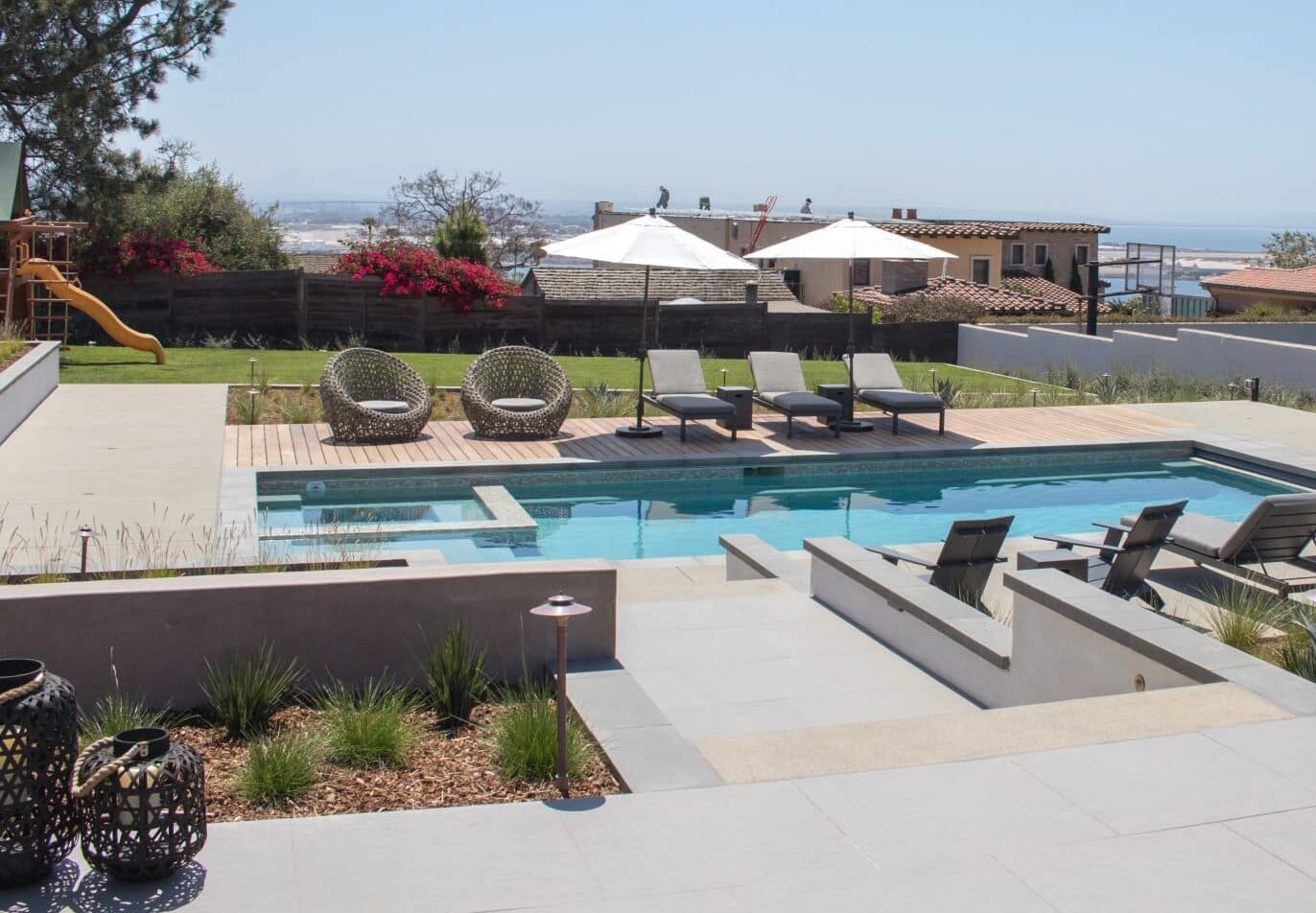
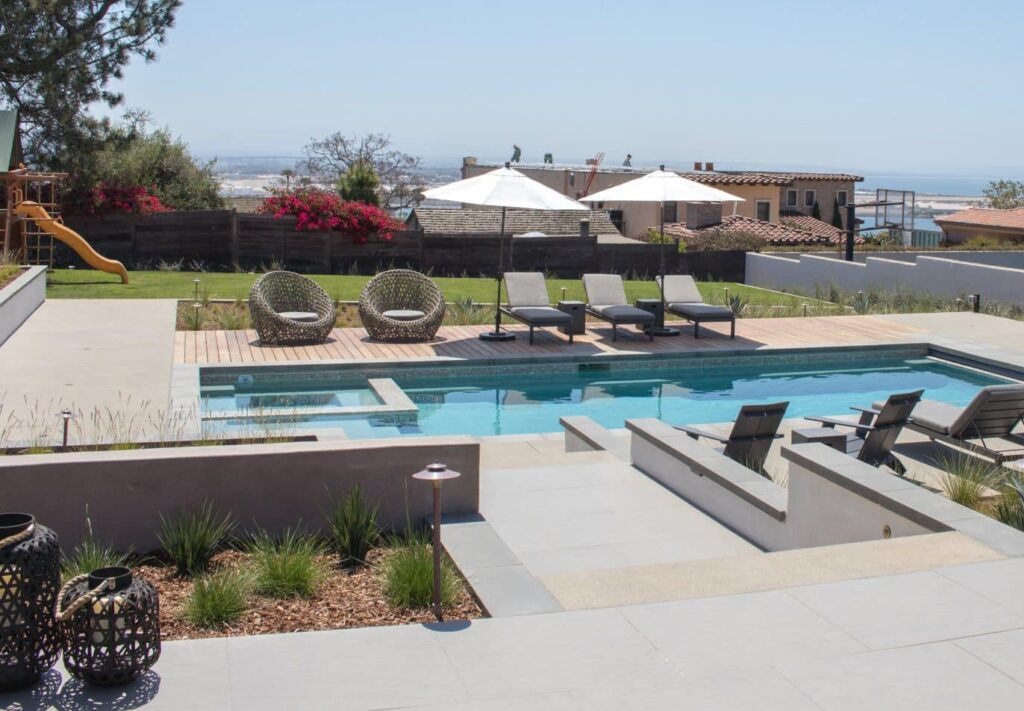
A swimming pool can become the centre of an outdoor living space, but the area around it determines how comfortable and practical it feels. Poolscape design brings together paving, planting, shade, lighting, drainage and circulation so the pool works as part of the whole garden.
In Dubai, heat, strong sun and frequent outdoor use make thoughtful planning especially important. A well-designed poolscape in Dubai gives people comfortable places to sit, keeps routes clear and chooses finishes that suit wet conditions and local exposure.
Plan poolside zones and safe circulation
Begin by mapping how people will use the space. Allow a clear route between the home, pool, shower and seating. Keep access points uncluttered and separate quieter lounging from active family areas where possible. The layout should account for furniture, towels and storage rather than treating the pool edge as the only usable zone.
Poolside design must also consider slip resistance, drainage and visibility. Select suitable surfaces for wet areas and make level changes easy to see. Confirm technical and safety requirements with qualified pool professionals and the relevant property authority; requirements can vary by project and location.
Choose durable, comfortable materials
Dubai sun can make some surfaces uncomfortable underfoot. Compare samples in real light and ask how each material performs when wet, exposed to heat and used around a pool. Paving should complement the home’s architecture while supporting reliable drainage and easy cleaning.
Use a restrained material palette to create a calm setting. Repeating colours and textures across the pool terrace, steps and garden paths helps the space feel connected. Prioritise long-term performance over a short-lived trend, and check maintenance instructions before approving finishes.
Add shade, privacy and planting
Shade can make a pool terrace far more usable during the day. Consider pergolas, umbrellas or carefully positioned trees, while ensuring these features do not block access or interfere with pool equipment. Place seating where people can enjoy shade at the times they are most likely to use it.
Planting can soften hard edges and screen views. Select plants suited to the microclimate around the pool, and consider leaf drop, root growth and maintenance before placing them close to the water. Use a layered planting plan to create privacy without making the pool feel enclosed.
Connect lighting and water features
A poolscape lighting plan can make evening use more inviting and help define steps, paths and seating areas. Choose fixtures designed for their intended environment, and have electrical work completed by qualified professionals. Direct light carefully so it supports visibility without creating glare.
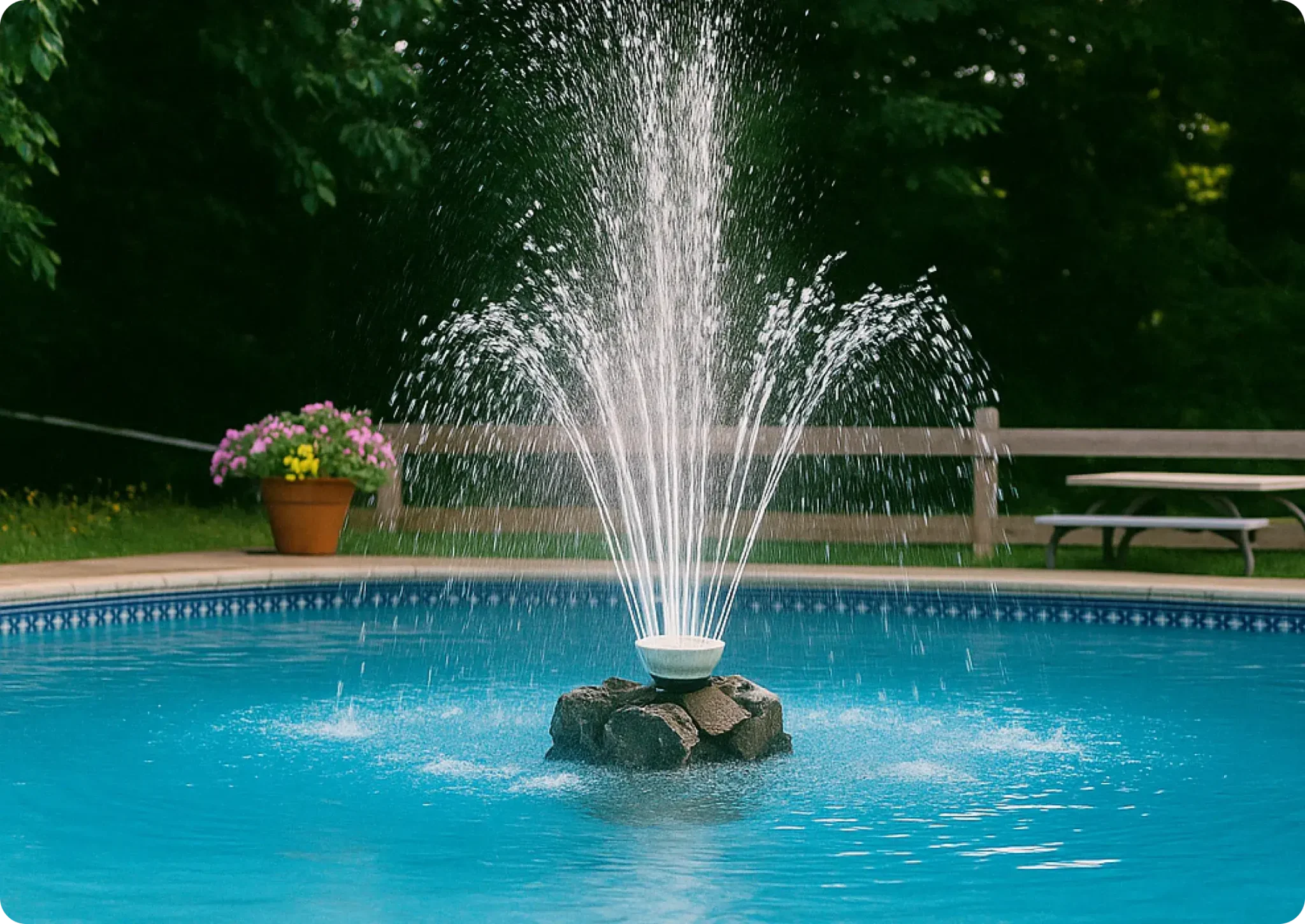
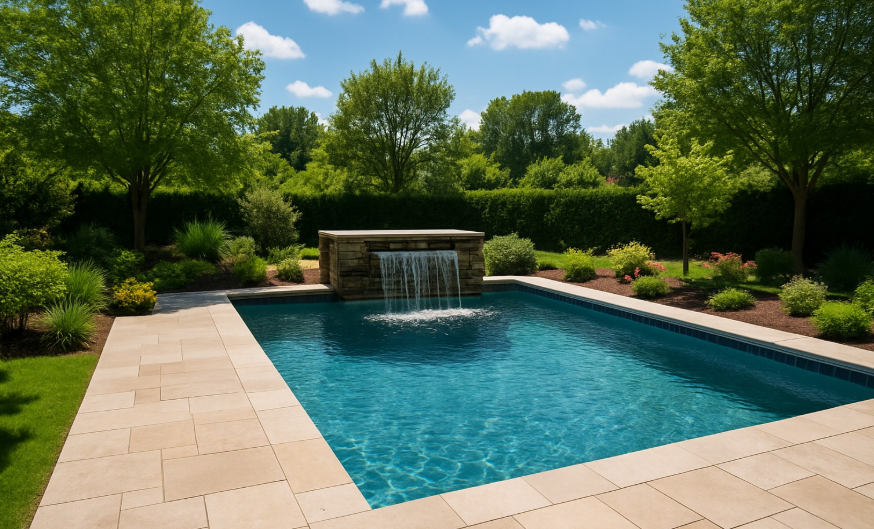
Waterfalls, fountains and other features can add movement and sound, but they should fit the pool’s scale and maintenance plan. Coordinate pumps, plumbing and access for servicing during the design stage. This avoids a beautiful feature becoming difficult to maintain later.
Coordinate the project from design to installation
A specialist pool landscaping company in Dubai can coordinate hardscape, planting, irrigation, lighting and pool interfaces. Ask for a documented scope with material details, installation stages and responsibilities. Confirm who manages drainage and how the team protects existing pool equipment during construction.
Review the complete layout before work starts, including furniture positions and service access. Depending on your community and the scope, permissions or technical approvals may apply. Check with the appropriate property manager or authority before committing to construction.
Design for different pool users
A pool garden often serves several purposes at once. Children may need a visible, open area, adults may want a shaded place to relax and guests may need comfortable circulation between the house and water. Map these activities before selecting furniture or planting. Keep commonly used items close at hand, but avoid placing storage where it narrows the deck or obstructs access to pool equipment.
Think about the experience from multiple viewpoints. The pool should look inviting from the main indoor rooms, while seating should offer a useful view of the water and garden. Consider privacy from neighboring homes and create a calm transition between active and quiet areas. Where families use the pool, confirm that design decisions support supervision and do not conceal important sightlines.
Resolve levels, drainage and pool interfaces
Pool landscaping connects to technical systems that should not be hidden or compromised. Confirm locations for pumps, filters, access panels, drains and electrical equipment before setting the final layout. Paving levels and surface falls should direct water appropriately, and the contractor should clarify how the pool edge connects to surrounding finishes. A coordinated drawing helps the landscape and pool teams work from the same information.
Do not assume existing levels are correct simply because the pool is already in place. Check for ponding, uneven transitions and places where water could run toward the building. Ask the relevant specialists to review details at steps, coping and thresholds. Resolving these interfaces before installation is safer and more cost-effective than attempting to correct them after finished surfaces are laid.
Select furnishings and storage with care
Outdoor furniture should suit the pool environment and remain comfortable in local conditions. Compare frame materials, fabrics, cushions and cleaning instructions, and plan where furniture will sit when the space is in use. Leave enough room to walk around loungers and tables. A simple layout with correctly sized pieces often feels more spacious than filling every available corner.
Storage improves day-to-day usability. A discreet cabinet or designated area can keep towels, cushions and pool accessories organised, provided it does not block maintenance access or create a cluttered view. If the design includes an outdoor shower, consider privacy, drainage and a convenient route from the pool. These modest practical decisions can make the entire poolside routine easier.
Balance planting with pool maintenance
Plants bring softness and privacy, but their location should account for leaf drop, root growth and regular pool cleaning. Avoid species that shed heavily over the water or create a difficult-to-clean boundary. Select plants suited to the heat and exposure around the pool, where paving can reflect additional warmth. Give planting beds enough room for maintenance and irrigation access.
Use planting to frame views rather than surround the pool indiscriminately. A few well-placed trees, shrubs or planters can create screening and visual depth while leaving the deck open. Consider mature size and avoid blocking lights, cameras or equipment. Discuss plant maintenance with the landscape contractor so pruning does not interfere with pool operation or damage nearby finishes.
Review the finished poolscape before handover
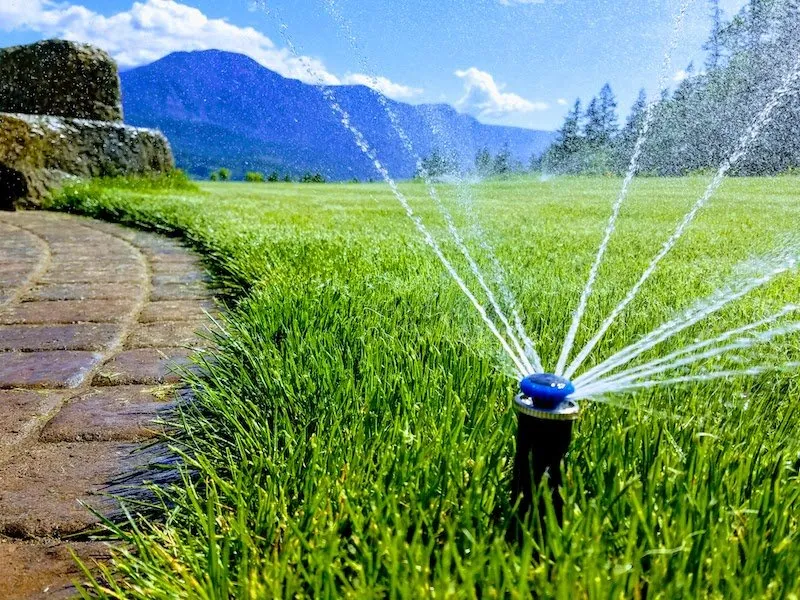
At completion, inspect the poolscape in daylight and after dark. Walk every route, check surface transitions, test lighting controls and confirm that drains and service covers remain accessible. Run irrigation zones and verify that water does not spray directly into the pool or onto seating. Ask the pool professional to demonstrate any feature that shares equipment with the circulation system.
Collect product specifications, cleaning guidance and contact information for each responsible trade. Record any agreed follow-up items and set a date to review them. A clear handover helps you understand how the landscape and pool systems interact, and it gives the installer a precise opportunity to address small adjustments before regular use begins.
Prepare the pool area for daily use
A pool terrace should support the routine before and after swimming. Plan convenient places for towels, drinking water and outdoor accessories, and decide where wet feet will naturally travel. Keep the route from the pool to the house clear and consider whether a shower or rinse point belongs in the layout. These decisions can reduce clutter and help people use the space comfortably without adding equipment to the main circulation area.
Think through how the terrace will be cleaned and maintained. Furniture should be movable enough for routine care, while planters and decorative elements should not hide drains or access covers. Ask the contractor how to clean the selected paving and whether specific products can damage its finish. If the pool is used frequently, keep maintenance access practical so servicing can happen without moving large sections of the landscape.
Review the poolscape at the times you expect to use it. Morning sun, afternoon shade and evening lighting can change comfort and visibility. If possible, test seating positions before fixing the final layout. Confirm that outdoor lighting controls are straightforward and that pool-related equipment remains accessible. A few practical checks at handover help ensure the completed design feels natural in everyday use, not only in a daytime project photograph.
Frequently Asked Questions
What does poolscape design include?
It can include poolside paving, planting, shade, seating areas, lighting, drainage and connections to the wider garden. The exact scope depends on the property and your goals.
Which paving is best around a pool in Dubai?
Choose a finish appropriate for wet conditions and local heat, with suitable slip resistance and drainage. Compare samples and confirm maintenance requirements with the supplier and designer.
Can landscaping improve pool privacy?
Yes. Carefully placed trees, shrubs, screens or pergolas can provide privacy while preserving circulation and views. The designer should consider mature plant size and pool maintenance.
Plan your project
Turn your pool area into a more usable retreat. Request a poolscape consultation to review the layout, shade, finishes and planting for your property.