Landscape Design Dubai | Bespoke Garden Landscaping
Plan a beautiful, practical outdoor space with landscape design in Dubai. Explore garden landscaping, shade, planting and lighting tailored to your property.
Landscape Design in Dubai: Create a Garden That Works for Your Lifestyle
A well-designed garden can make a Dubai villa, townhouse or commercial property feel more welcoming and more useful. The right landscape design balances appearance with shade, privacy, circulation and the realities of a hot, dry climate. It turns an empty plot or tired garden into an outdoor space that supports the way you actually live.
When you plan landscape design in Dubai, begin with your daily routine rather than a list of features. Consider where you relax, entertain guests, let children play or want a clear view from indoors. A thoughtful design connects these needs with durable materials, suitable plants and an irrigation plan that helps the garden thrive.
Start with the site and your priorities
A landscape designer should first understand the plot, existing levels, drainage, sun exposure, access and building layout. Dubai properties can face intense afternoon sun, reflected heat from walls and limited shade. Mapping these conditions helps the design team place seating, planting and pathways where they will feel comfortable and work well.
List your priorities before selecting finishes. You may want a family lawn, a shaded dining area, a poolside retreat or a low-maintenance entrance garden. Rank the essential features and set a realistic budget. This gives your designer a clear brief and helps avoid spending on decorative details before the core layout works.
Choose plants and materials for Dubai
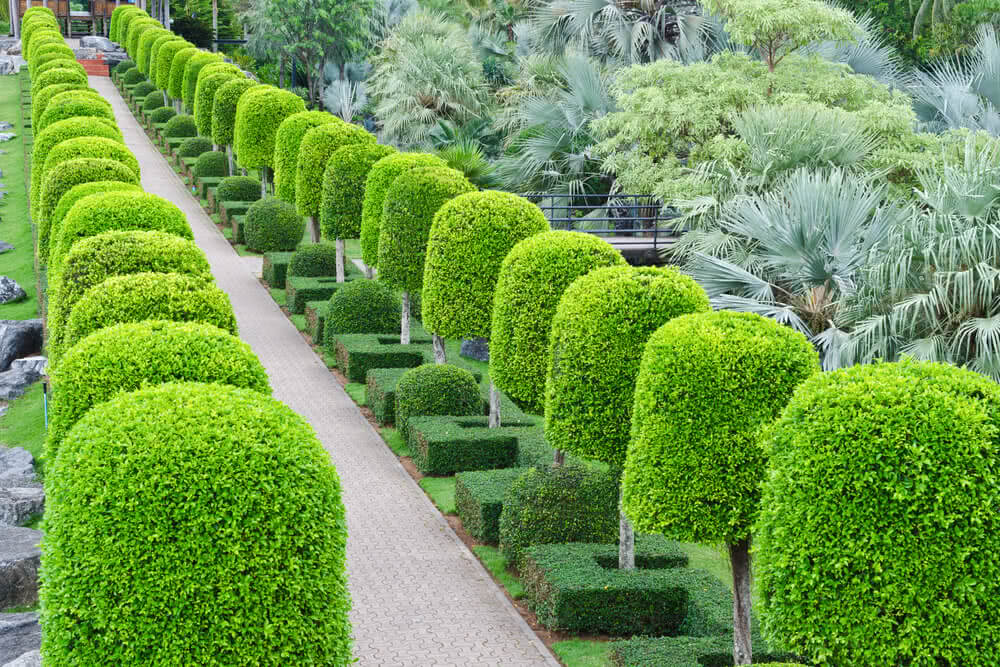
Plant selection shapes both the look and upkeep of a garden. A landscape plan for Dubai should consider heat tolerance, water needs, mature size and the amount of care each species requires. Layering trees, shrubs and groundcovers can create privacy and visual depth, while choosing plants suited to the site can reduce replacement and maintenance needs.
Hardscape materials also affect comfort. Paving, decking, boundary finishes and outdoor furniture should suit the intended use and withstand local exposure. Use lighter, heat-conscious surfaces where practical, and add shade through trees, pergolas or other structures. A coordinated palette keeps the garden visually calm instead of making every feature compete for attention.
Plan zones, shade and movement
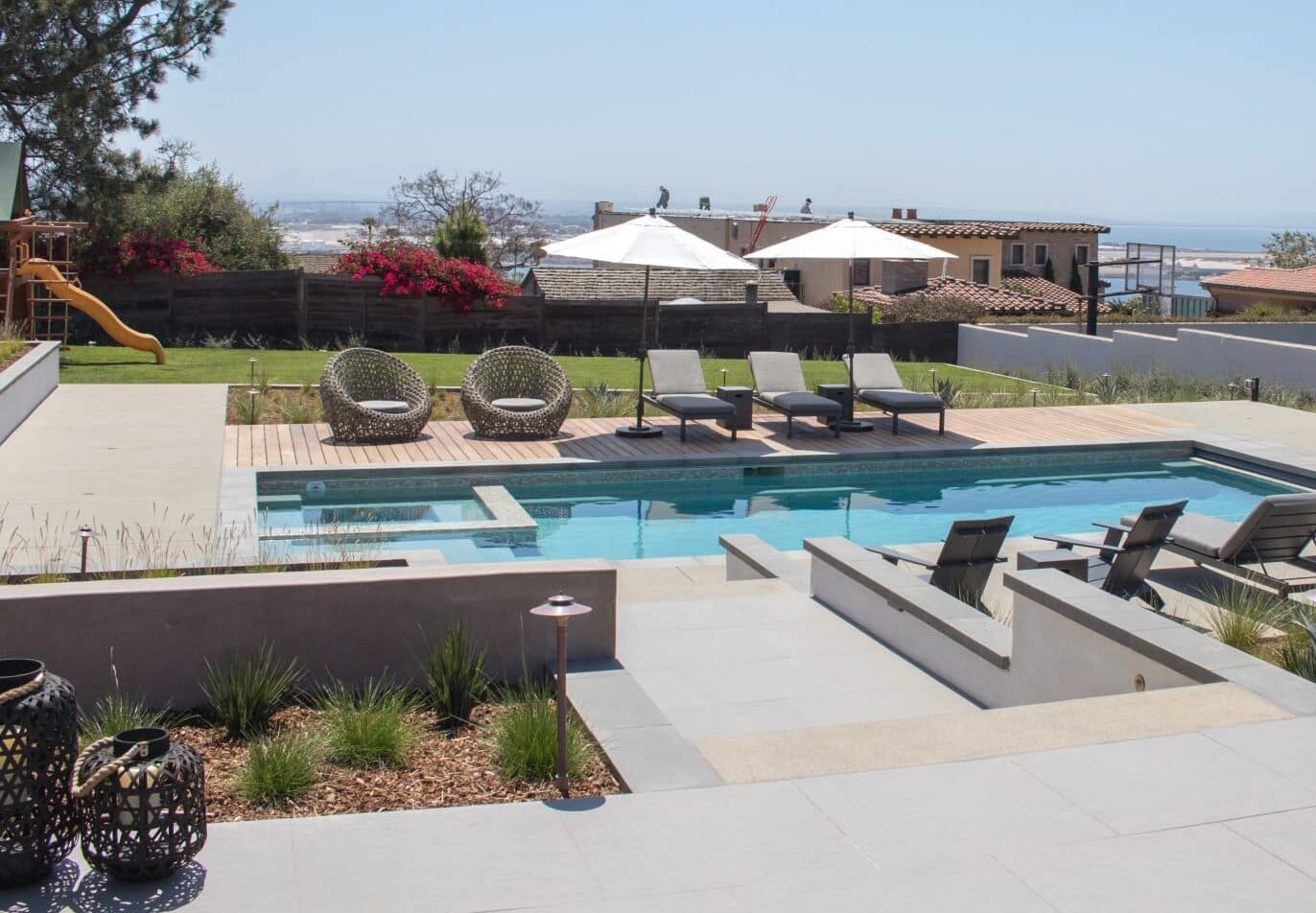
A successful villa landscape design in Dubai makes movement between the home and garden feel natural. Place dining near the kitchen, create a comfortable route to the pool and keep service access clear. Separate active areas from quieter seating without making the garden feel divided. Curved planting beds or changes in paving can define zones while maintaining an open view.
Shade deserves early attention, not last-minute decoration. Trees, pergolas and screened seating can reduce direct sun and make outdoor areas more usable. Your plan should also consider privacy from neighboring homes and avoid blocking useful daylight or views from inside.
Integrate lighting and irrigation
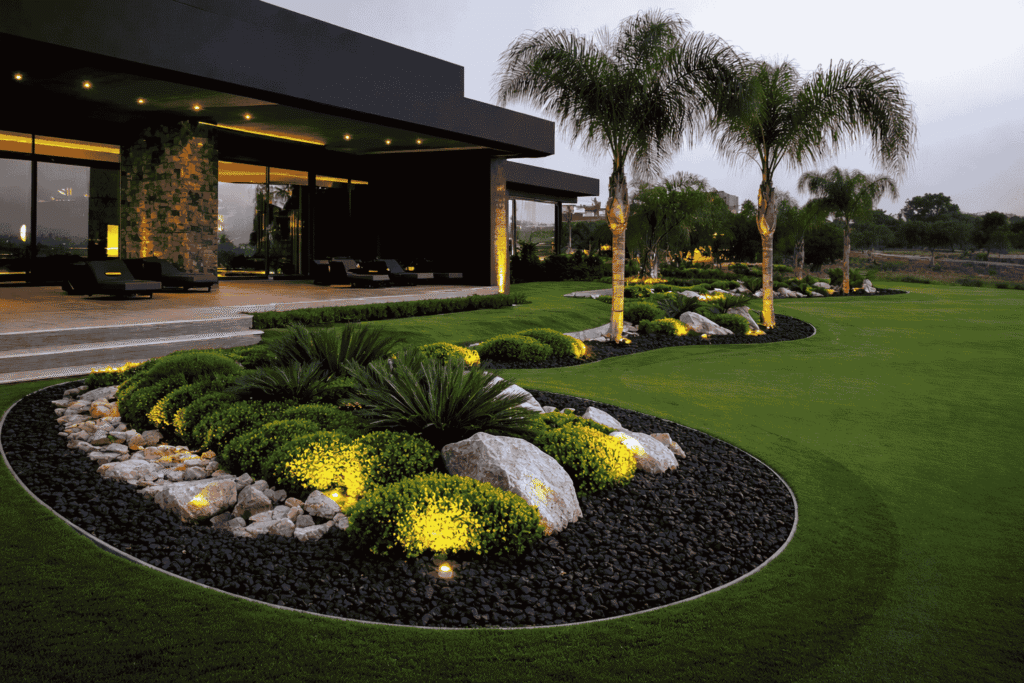
Outdoor lighting extends the garden into the evening. A considered scheme can illuminate paths and steps, highlight a feature tree and make a seating area inviting. Choose fixtures for their intended location and direct light carefully to avoid glare. Lighting should complement the landscape rather than overwhelm it.
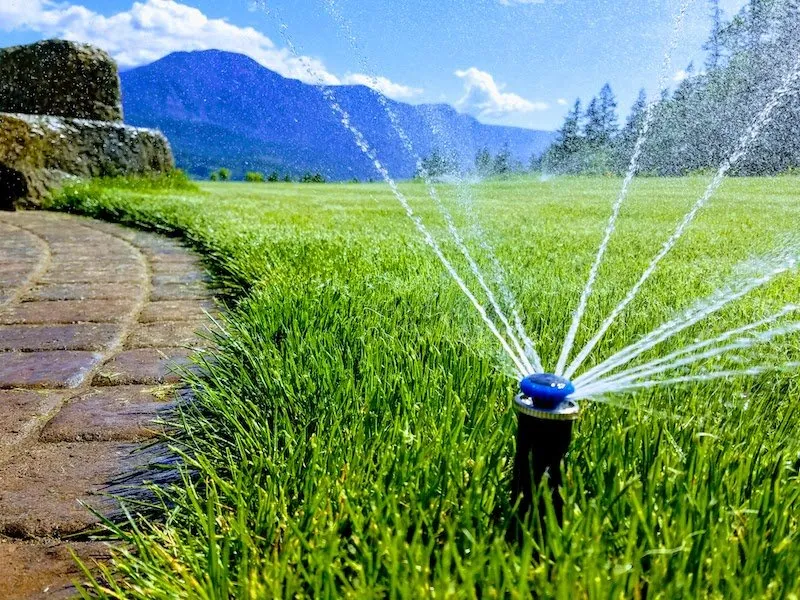
A well-zoned irrigation system delivers water where plants need it. Drip lines can serve planting beds, while lawn areas may need a different approach. Install controls that allow sensible scheduling and adjust watering to plant needs and seasonal conditions. Pair irrigation with regular checks for leaks, blocked emitters and overspray.
Work with a Dubai landscaping company
A professional landscaping company in Dubai can coordinate design details with installation, planting, irrigation and lighting. Ask to see relevant projects, confirm what the proposal includes and review material specifications before work begins. A clear scope should set out the design, site preparation, installation stages and any care instructions.
Good communication matters throughout the project. Confirm access, sequencing and any approvals or technical requirements that apply to your property. Requirements can vary by community and project, so verify them with the relevant property manager or authority rather than assuming one process fits every location.
Build a brief that guides the design
A useful design brief gives the project team enough information to make relevant recommendations. Note who uses the garden, how often you entertain, whether children or pets need open space, and which views you want to preserve. Include practical needs such as storage, outdoor cooking, laundry access and routes for maintenance. Photographs of styles you like can help explain your preferences, but also identify what you dislike so the team understands your boundaries.
Separate essentials from optional upgrades. For example, safe access, shade and drainage may matter more than a decorative screen or extra planter. Agreeing priorities early helps the designer allocate the available area and budget intelligently. Ask for a layout that shows dimensions, circulation and furniture positions, not just a mood board. Review the plan as a household before approving it, because a small adjustment on paper is easier than changing installed paving or irrigation.
Make the design work through the seasons
Dubai’s outdoor conditions change through the year, and a garden should respond to more than one comfortable-weather week. Consider which areas receive morning or afternoon sun, where shade shifts and how wind moves through the plot. A shaded dining spot can extend use during warmer periods, while flexible seating allows people to follow more comfortable conditions. Select finishes and furnishings for outdoor exposure and plan for practical storage when items are not in use.
Think about the garden from inside the home too. A well-framed view can make planting feel like part of the interior and create interest even when the weather keeps people indoors. Use a focal tree, layered beds or a well-composed seating area in the main sightline. Keep windows, doors and access routes clear, and consider nighttime views when placing lighting. This year-round perspective produces a landscape that feels complete rather than designed for a single photograph.
Coordinate construction and quality checks
Before installation, confirm what the proposal includes: site preparation, excavation, drainage, foundations, paving, planting, irrigation, lighting, waste removal and handover. Written details make it easier to understand which trades are responsible for each connection. Agree how the team will protect existing walls, pool equipment and access routes. If the work happens in stages, identify the sequence and the decisions you must make before materials are ordered.
Walk through the completed garden with the contractor. Check paving falls, edging, gates, access covers, irrigation coverage and lighting controls. Ask for product information, warranty documents and a simple maintenance guide. Photograph concealed services or request an as-built plan where appropriate. A structured handover helps you operate the systems and report any defects promptly, while the installer can still identify the exact components and work completed.
Avoid common garden design mistakes
One common mistake is choosing features before testing whether they fit the plot. A large lawn can leave no room for shade or comfortable seating, and a crowded planting palette can become difficult to maintain. Another is underestimating clearances: doors need to open, pathways need comfortable width and maintenance staff need access to equipment. Check dimensions in the actual space and use temporary markers to understand scale before approving a final layout.
Avoid selecting plants only by their appearance at the nursery. Confirm mature size, water needs, sun tolerance and maintenance requirements. Do not treat irrigation as a final add-on; pipe routes and zones should align with the planting plan. Similarly, lighting should be coordinated before paving is complete so cables and fixtures do not require disruptive changes. A coordinated design reduces avoidable rework and makes the finished outdoor space more coherent.
Evaluate proposals and plan ongoing care
When comparing landscape design proposals in Dubai, compare the deliverables as well as the price. Look for drawings, specifications, material allowances, planting details and a clear list of exclusions. Ask whether the company handles both design and installation or coordinates separate specialists. Confirm how changes are priced and how the team will communicate schedule updates. These questions help you compare offers on a like-for-like basis and understand the decisions that remain yours.
Set aside time and budget for care after handover. Even a low-maintenance garden needs irrigation checks, pruning, cleaning and occasional replacement. Ask for a schedule that explains what to inspect and when to call a specialist. Observe how the garden responds during its establishment period and report persistent drainage or plant-health concerns early. Matching the care plan to your routine protects the original design and keeps the landscape useful as it matures.
Review the garden as a complete experience
Before approving a landscape plan, review how the whole property will feel from arrival through to the most private seating area. Check whether the entrance gives a clear first impression, whether paths lead naturally to key destinations and whether the garden can be used without crossing awkward or exposed areas. Think about deliveries, cleaning and equipment access as well as entertaining. A design that anticipates ordinary routines tends to remain useful long after installation.
Ask the designer to explain how the chosen finishes, plants and lighting work together. A restrained palette can make a small plot feel larger, while repeated materials can link separate zones. Confirm where the main focal point sits and whether any feature competes with the home’s architecture. If you have concerns, raise them while the plan is still easy to adjust. Clear review at this stage supports a more coherent project and reduces costly changes during construction.
After handover, assess the garden during normal use and keep notes on what works well. You may discover that a seating area needs more shade or that a route would benefit from clearer lighting. Share these observations with the landscaping team during an agreed follow-up. Small, informed adjustments can improve comfort without changing the overall design. Treating the landscape as a living part of the property helps it evolve gracefully as plants grow and household needs change.
Frequently Asked Questions
How much does landscape design in Dubai cost?
Cost depends on the plot, design detail, materials, planting and features such as pools, lighting or irrigation. Request a site assessment and an itemised proposal to compare scope fairly.
How long does garden landscaping take?
The schedule depends on the site and the work involved. Design approval, material availability, civil work, planting and finishing all affect the timeline. Ask for a staged programme before installation.
Can I create a low-maintenance Dubai garden?
Yes. A designer can use suitable plants, efficient irrigation, durable finishes and a layout that limits demanding lawn areas. Low maintenance still requires periodic pruning, irrigation checks and seasonal care.
Plan your project
Ready to improve your outdoor space? Share your property type, preferred features and budget range with a Dubai landscape design team to start a practical design conversation.