Grass Installation Dubai | Natural & Artificial Grass
Compare natural and artificial grass installation in Dubai. Plan a garden lawn with suitable preparation, drainage, edging and realistic maintenance needs.
Grass Installation in Dubai: Choose the Right Lawn for Your Garden
A lawn can create a soft, open area for relaxing and play, but choosing the right grass matters. Dubai property owners often compare natural grass with artificial grass based on intended use, appearance, water needs and maintenance. Each option has different installation requirements and trade-offs.
Grass installation in Dubai starts with the site, not the roll or seed. Proper levels, drainage, edging and base preparation help the finished lawn look neat and perform as expected. A clear plan also prevents a lawn from taking over space better used for planting, paving or shade.
Choose natural or artificial grass
Natural grass offers a living surface and can feel comfortable underfoot, but it requires irrigation, mowing, feeding and ongoing care. Its performance depends on suitable varieties, soil preparation, light and watering. Ask a landscape professional to recommend options for your property and explain seasonal care.
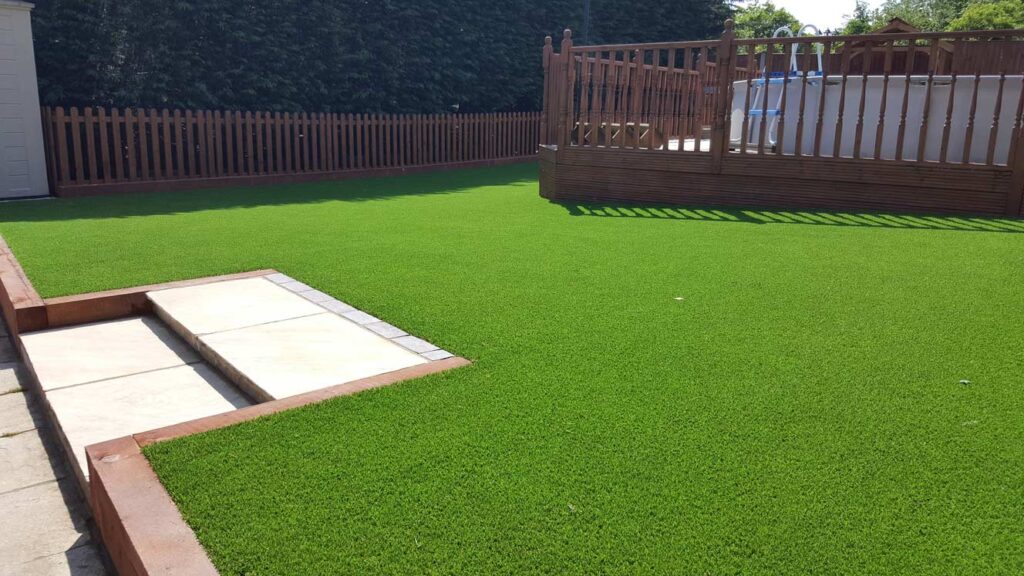
Artificial grass provides a consistently green appearance without mowing, but it still needs cleaning and periodic maintenance. Surface temperature, drainage, pile style and intended use matter. Compare samples and ask about heat, wear, infill and warranty terms before choosing a product.
Prepare the ground properly
Ground preparation sets the foundation for a neat lawn. Installers should remove unsuitable material, establish levels and consider how water will drain. Natural lawn preparation may require soil improvement, while artificial turf commonly needs a stable, compacted base and a suitable drainage layer.
Check the lawn’s edges and transitions to paths, borders and pool areas. Secure edging helps define the shape and keeps the finish tidy. A professional should identify underground services and irrigation lines before excavation or compaction begins.
Plan drainage and irrigation
Drainage matters for both natural and artificial lawns. The surface and underlying layers should move water away rather than create persistent puddles. Discuss the existing ground levels and where runoff will go before work starts.
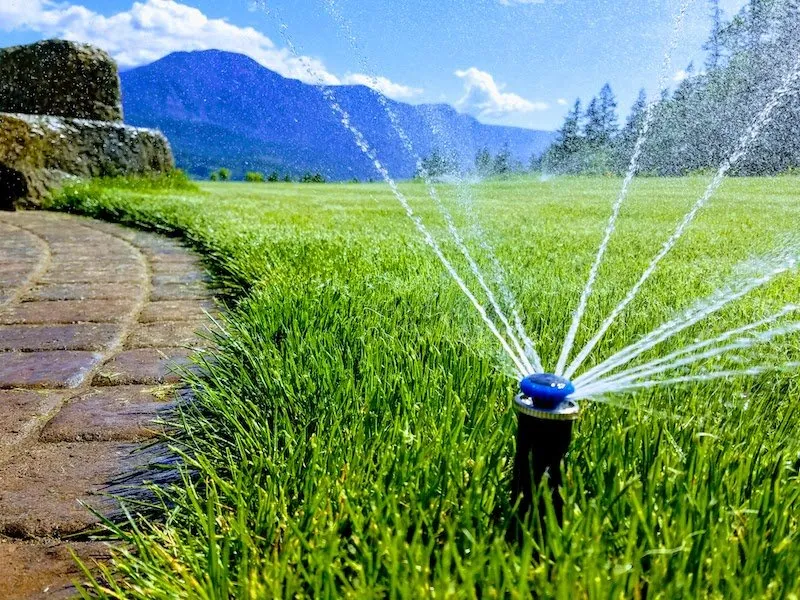
Natural grass needs a suitable irrigation system that provides even coverage. Artificial turf does not need routine watering for growth, but it may need occasional rinsing or cleaning depending on use and product instructions. Do not assume one installation method fits both types.
Match the lawn to how you use it
Think about the people, pets and activities the lawn must support. A family play area, decorative front garden and shaded courtyard have different demands. Measure furniture and walkways, and keep enough clearance around planting beds and service access.
Sun exposure and shade influence natural grass performance, while traffic affects wear on artificial turf. Ask for product guidance that reflects your actual conditions. A lawn specialist should explain what the proposed material can and cannot handle rather than relying on broad claims.
Maintain the finish over time
Natural lawns benefit from regular mowing, irrigation checks, appropriate feeding and prompt attention to bare patches. Artificial grass needs brushing, debris removal and inspections of seams and drainage. Follow the supplier’s care instructions to avoid damaging fibres or the base.
When comparing grass installation companies in Dubai, request product or seed specifications, a description of base preparation and a written scope. Confirm warranty coverage, maintenance expectations and project access requirements before installation.
Compare lawn samples in the actual garden
Product images do not always show how a lawn will look on your property. View natural grass options or artificial turf samples in the site’s light and compare colour, texture and scale. For synthetic products, inspect the backing, pile direction and seam appearance. Ask the supplier to explain how the sample relates to the full product specification and whether a larger sample is available.
Consider how the surface feels and performs in your intended use. A decorative lawn, play area and pet space can have different priorities for softness, resilience and cleaning. Ask about heat exposure and care expectations without relying on broad promises. A realistic comparison helps you choose a surface that suits both the look you want and the way the household uses the garden.
Get levels, edges and transitions right
A neat lawn depends on accurate levels at boundaries and transitions. Confirm how the finished surface meets paving, drains, garden beds and door thresholds. Edging should hold its shape and create a clean line without becoming a trip hazard. The installer should check the proposed lawn height against adjacent surfaces before base preparation is complete.
Slopes and low points need attention before installation. Water should move to a suitable drainage location rather than collect near the house or in the centre of the lawn. Check the plan after excavation and before the final surface goes down. Correcting a level at this stage is much easier than trying to repair a persistent puddle later.
Understand artificial turf seams and infill
Artificial turf installation requires careful orientation and joining. Rolls should be laid consistently so the pile direction appears uniform from the main viewing angle. Seams need suitable preparation and secure joining, and the installer should explain how edges will be fixed. Ask to inspect a sample seam or a previous completed project to understand the finish quality.
Some products use infill while others rely on different backing and pile construction. Ask what the selected product requires, how infill affects feel and maintenance, and whether it is appropriate for children or pets who will use the area. Follow supplier instructions for brushing, cleaning and replenishing materials. Product-specific guidance is more useful than assuming all synthetic lawns perform alike.
Support natural grass as it establishes
Natural grass needs careful establishment after installation. Follow the provider’s instructions for initial watering, foot traffic and mowing, because timing depends on the grass type and method used. Avoid letting the surface dry out during establishment, but do not assume more water is always better. Inspect soil moisture and drainage as the lawn develops.
A new lawn may need time to settle and root before it handles regular use. Keep pets and heavy furniture off vulnerable areas until the installer confirms they are ready. If sections fail to establish or show uneven growth, report the issue promptly and include photographs. Early diagnosis can distinguish irrigation coverage, soil preparation or care problems.
Plan lawn borders and complementary planting
A lawn looks more intentional when its shape relates to the rest of the landscape. Clear borders can frame planting beds, while a simple geometry may suit a formal villa garden. Avoid narrow strips that are difficult to mow or awkward to irrigate. Think about how the lawn shape supports circulation and furniture rather than treating it as leftover space.
Planting and shade affect lawn performance and upkeep. Trees can make a garden more comfortable, but dense shade may change the suitability of natural grass in that area. Keep roots and irrigation needs in mind at borders, and leave access to drains and utilities. Coordinating these details gives the lawn a clean finish and helps it fit the wider garden design.
Check the lawn at handover
Walk the completed lawn with the installer and inspect its edges, joins, levels and transition to adjacent paving. For artificial grass, check that seams lie flat and the pile direction looks consistent from the main viewing point. For natural grass, look for even coverage and confirm that the irrigation reaches the full area. Record any concerns in writing while the installation team is still on site.
Ask for product or planting details, care instructions and warranty terms. Clarify which issues are covered and how to report them. For artificial turf, confirm cleaning recommendations and whether the supplier requires a specific brush or cleaning method. For natural grass, get guidance on the first mowing, watering adjustments and when the lawn can handle normal traffic.
Keep the lawn’s intended use in mind after installation. Avoid placing heavy equipment on areas that need to remain open, and check that garden furniture does not create permanent wear patterns. If you later add a play feature or planting bed, consider how the change affects drainage and access. A little ongoing attention helps the lawn remain a useful part of the landscape.
Frequently Asked Questions
Is artificial grass better than natural grass in Dubai?
Neither option is best for every property. Compare water and maintenance needs, surface feel, shade, heat, intended use and budget with a qualified installer.
Does artificial grass need drainage?
Yes. A suitable base and drainage design help water pass through the surface and reduce pooling. Requirements depend on the product and the existing site.
How do I maintain a natural lawn?
Follow a care plan for watering, mowing and soil needs. Check irrigation coverage and adjust care to the grass type, weather and garden conditions.
Plan your project
Not sure which lawn suits your property? Request a site assessment to compare natural and artificial grass, preparation needs and long-term care.