Smart Irrigation Dubai | Automatic Garden Watering
Improve garden watering with smart irrigation installation in Dubai. Plan automatic irrigation zones, efficient controls and schedules suited to your landscape.
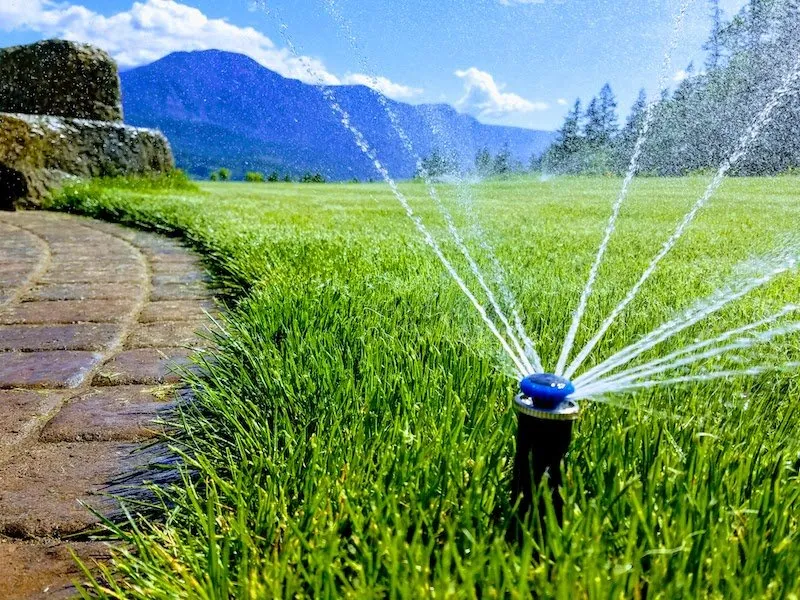
Smart Irrigation Installation in Dubai: Water Your Garden More Efficiently
A smart irrigation system helps a garden receive water on a planned schedule, by zone and according to the landscape’s needs. It can make routine watering easier and help reduce waste caused by overspray, leaks or poorly timed cycles. The system works best when the design matches the plants, soil and site conditions.
Smart irrigation installation in Dubai should account for strong heat, exposure and the different watering needs of lawns, trees and planting beds. Good planning starts with an assessment—not simply installing a controller and applying the same schedule everywhere.
Assess the garden and its water needs
Begin by mapping the landscape into zones. Lawn, shrubs, trees and containers often need different watering methods and schedules. Grouping plants with similar needs helps avoid overwatering one area to compensate for another.
Check water pressure, existing pipework, soil drainage and sun exposure. These details affect emitter choice and run time. A specialist can identify leaking connections, clogged heads or uneven coverage in an existing system before recommending upgrades.
Choose suitable irrigation components
Drip irrigation can deliver water near plant roots in beds and borders, while lawn areas may use sprinklers designed for the coverage pattern. The right combination depends on planting layout and water source. Installers should position components to avoid watering walls, paths and outdoor furniture.
A smart controller can support schedules and remote adjustments, but it does not replace correct installation. Ask how the system handles separate zones, manual operation and power interruptions. Confirm that valves, sensors and controllers work together and that the team explains their use.
Set practical schedules and controls
A sensible schedule considers plant type, soil, season and weather. Avoid setting every zone to run for the same duration. Adjust watering based on actual garden conditions and local restrictions or property guidance that may apply.
Controls should be easy to understand. Label zones clearly and keep a record of the initial schedule. If the system includes rain, soil or weather-related sensors, ask what they measure and how they influence watering. Review the settings after planting establishes or the landscape changes.
Check coverage and prevent water waste
After installation, run each zone and look for dry patches, overspray, leaks and pooling. Adjust sprinkler heads and drip emitters so water reaches the intended area. Inspect the system periodically, as plant growth, soil movement and construction activity can affect coverage.
Efficient irrigation is a combination of design and upkeep. Clean filters and emitters, repair damaged lines and watch for unusual water use. Smart controls can simplify changes, but regular observation remains essential to catch problems early.
Hire an irrigation installer in Dubai
Before choosing an irrigation company in Dubai, ask for a site plan showing zones, components and control locations. Confirm what the installation includes, whether it connects to existing plumbing and how the team will test the finished system.
Request clear operating instructions and a maintenance recommendation. Check property-specific requirements for water connections and access before work begins. A reliable installation leaves you with a system you can operate and adjust, not just equipment hidden underground.
Make the irrigation layout easy to understand
A useful irrigation plan labels each zone by the plants it serves and identifies valves, controller, filters and shut-off points. Keep the plan with your property documents so a gardener or service technician can find components without digging unnecessarily. Clear labels also make seasonal adjustments safer, because the operator can change one planting area without affecting the whole garden.
Think about future changes when locating lines and controls. A new planter, patio or tree can alter coverage, so document pipe routes and leave accessible connection points where appropriate. If the garden is installed in stages, coordinate the irrigation layout with each phase. A little planning now can prevent the need to cut finished paving or reroute buried pipes later.
Use sensors and automation thoughtfully
Sensors can add useful information, but they must be installed and configured for the conditions they measure. Ask what a sensor detects, where it will be placed and how that reading changes the controller schedule. A device in the wrong location may not represent the moisture or exposure of the entire garden, so zone layout remains important.
Remote control can make adjustments convenient when you are away, but set clear limits and retain a manual shut-off option. Confirm how the system behaves after a power or connectivity interruption. Keep login and ownership details documented securely, and ask the installer to demonstrate how to transfer access if property management changes.
Commission each zone and correct coverage
Commissioning should include running every zone, checking pressure and looking for leaks, blocked emitters or uneven spray. Inspect the edges of lawns and beds to make sure water reaches plants without soaking walls or paths. Correcting these issues during handover prevents a controller schedule from repeatedly applying water to the wrong places.
Ask the installer to show you how to run a manual test and how to adjust zone duration. Keep the initial settings as a reference, then make changes gradually while observing the garden. If plants show stress or soil remains saturated, consult the installer before making large schedule changes. The controller is only as effective as the design and settings behind it.
Inspect the system throughout the year
Regular inspection helps catch small problems before they affect large areas. Look for wet patches, unusually dry plants, clogged emitters and sprinkler heads that have shifted. Check filters and valves according to supplier guidance. A sudden change in water use may signal a leak or a controller setting that needs review.
Revisit schedules when planting changes, trees mature or a shaded area receives more sun. Landscape modifications can change water demand even when the irrigation hardware remains the same. Keep a simple log of adjustments and repairs so patterns are easier to identify. If your property has particular water-use rules, verify current guidance with the relevant provider or management.
Compare smart irrigation proposals
When reviewing smart irrigation quotes, ask for a zone plan, a component list and an explanation of how each area will be watered. Confirm whether the work includes new pipework, controller setup, sensor installation, electrical connections, testing and removal of old equipment. Compare the proposed functionality and warranty rather than looking at controller features alone.
A good installer should explain the system in plain language and provide post-installation support. Ask who can adjust settings, how service requests are handled and what routine maintenance costs. Confirm that the controller can be operated by the person responsible for the garden. The right solution is the one you can understand, maintain and adapt as the landscape grows.
Make ownership and system access clear
Before the installer leaves, confirm who will own and manage the controller account. If the system uses an app, establish the correct property email and a secure handover process rather than leaving access tied only to a contractor’s personal account. Ask how to add a property manager or gardener with appropriate permissions. Keeping account access organised prevents avoidable confusion when responsibilities change.
Understand what the system can report and what still requires a visual inspection. Alerts may indicate a controller issue or a flow change, but they cannot always identify a plant problem or a blocked emitter. Walk the garden periodically and compare actual conditions with the programmed schedule. Combine automation with observation so the system supports good decisions instead of creating false confidence.
Keep a copy of the zone map, controller instructions, sensor details and service contact information in a place that future caretakers can find. Label the shut-off valve and explain the safe manual override. If the landscape changes, update the zone records and review the schedule with the installer. Good documentation makes a smart system easier to operate and protects the value of the installation.
Frequently Asked Questions
What is smart irrigation?
Smart irrigation combines automatic controls with a planned system of zones and, in some cases, sensors or remote adjustments. Its effectiveness depends on proper design and maintenance.
Can smart irrigation reduce water use?
A well-designed, correctly adjusted system can limit overspray and match watering to plant zones. Actual savings depend on the previous system, plant needs, settings and maintenance.
Can I upgrade an existing irrigation system?
Often. An installer can assess the controller, valves, pipes and coverage, then recommend targeted upgrades or a replacement if the existing components do not support the desired system.
Plan your project
Make garden watering easier to manage. Book an irrigation assessment to review your zones, current coverage and smart control options.