Waterfall Installation Dubai | Garden Water Features
Explore waterfall installation in Dubai for gardens and pools. Plan a custom water feature with suitable design, circulation, materials and maintenance access.
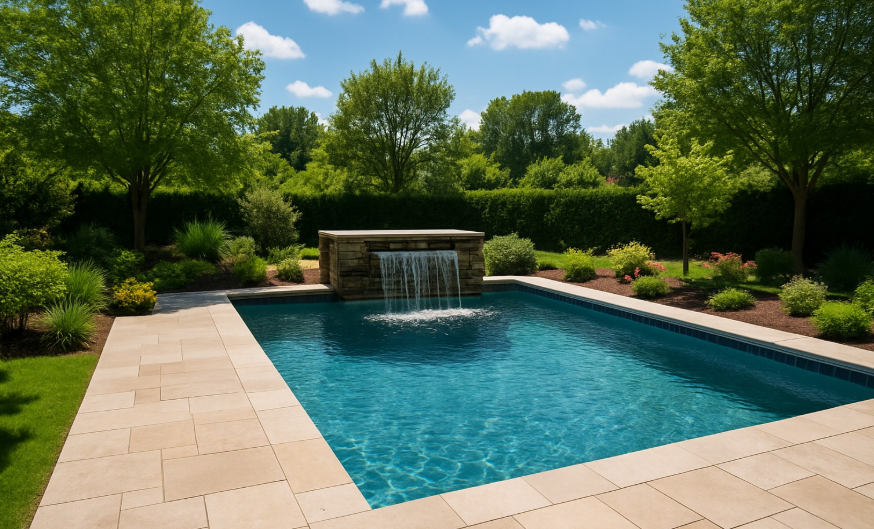
Waterfall Installation in Dubai: Add Movement and Calm to Your Garden
A garden waterfall introduces movement, sound and a strong focal point. It can create a relaxing backdrop beside a seating area or add character to a pool landscape. The best result comes from matching the scale and water flow to the site instead of adding a feature that overwhelms the garden.
Waterfall installation in Dubai requires careful coordination of design, circulation, waterproofing, electrical equipment and maintenance access. A well-planned feature can look natural within the landscape and operate reliably when the system receives appropriate care.
Choose the right waterfall style
Waterfalls can range from a clean sheet of water over a contemporary wall to a natural-looking cascade among rocks. Choose a style that complements the architecture and the wider garden. Consider how the feature will look from inside the home as well as from the main outdoor seating area.
Scale matters. A compact courtyard may benefit from a modest vertical feature, while a larger pool landscape can support a broader cascade. Your designer should discuss sound level, water movement and splash before finalising the concept.
Design the water system carefully
A waterfall depends on coordinated pumps, pipework, a water reservoir or pool connection, and suitable filtration where required. The system should deliver the intended flow without unnecessary noise or excessive splash. Pump selection must reflect the height, width and design of the feature.
Plan access to equipment from the start. Pumps and connections need inspection and servicing, so do not bury critical components behind permanent finishes. Ask the installer to explain how the system starts, stops and responds to routine maintenance.
Use durable finishes and manage splash
The finish affects the waterfall’s appearance and performance. Stone, tile and other suitable materials create different textures and water patterns. Confirm that chosen materials work in a wet environment and that the construction includes appropriate waterproofing and drainage details.
Control splash around nearby paving, planting and seating. A feature that sends water onto a walkway can create maintenance and slip concerns. The designer should test or model the water path and position the feature with prevailing site conditions and surrounding use in mind.
Integrate planting and evening lighting
Planting can soften the waterfall structure and connect it to the garden. Select plants for the local conditions and the level of moisture near the feature. Leave enough clearance for access, cleaning and future growth so foliage does not block the flow or damage the installation.
Subtle lighting can reveal the water’s movement after dark. Use fixtures intended for the setting and plan wiring with qualified professionals. Avoid excessive brightness; a small number of well-positioned lights often creates a more refined result.
Maintain the feature for reliable operation
A waterfall needs regular checks. Clean the intake and accessible surfaces, inspect pump performance and look for leaks or unusual noise. Follow the installer’s instructions for water treatment and seasonal adjustments, particularly if the feature connects to a swimming pool.
Before hiring a waterfall installation company in Dubai, ask for a written scope, equipment details and maintenance guidance. Confirm what the installation includes and who handles electrical, waterproofing and pool-system interfaces. Verify applicable property requirements before construction.
Decide how the waterfall should sound and look
Water movement shapes the experience as much as the waterfall’s appearance. A thin sheet creates a different sound from a broad cascade over textured stone. Discuss whether you want a quiet backdrop for conversation or a more noticeable feature. The designer can relate flow rate and drop height to the surrounding seating distance and the size of the garden.
Review the feature from the viewpoints that matter most: the house, the pool deck, the garden entrance and nearby seating. A waterfall that looks impressive from one angle may feel bulky from another. A drawing or sample material board helps you understand the massing and finish before construction. Confirm how the feature looks when the pump is off as well as when water is moving.
Plan equipment access and efficient operation
Pumps, valves and filters need a practical service location with enough room for inspection. Ask the installer to show where each component will sit and how it can be removed or repaired. Access panels should be discreet but reachable, and the system should not require dismantling finished stonework for routine service.
Discuss operating schedules and sound from the equipment itself. The pump enclosure and pipe routes can influence noise, so locate them thoughtfully in relation to bedrooms and seating. Ask for details about electrical consumption, expected operating settings and how to shut down the feature safely. Clear instructions make the water feature easier to use and maintain.
Protect waterproofing and nearby finishes
Waterproofing details deserve careful review wherever water meets a wall, basin or pool structure. Confirm that the design specifies suitable construction layers and that the installer follows the product requirements. The surrounding paving should direct water appropriately, and any overflow route should be planned rather than left to chance.
Coordinate materials where water may splash or run across surfaces. Choose finishes that can tolerate regular moisture and establish a cleaning approach before installation. If the feature stands near a building, ask how the design protects adjacent finishes and manages drainage. Documenting these details reduces the likelihood of moisture-related repairs later.
Integrate the waterfall with the landscape
A waterfall should feel connected to its surroundings. Repeating stone or colours from nearby paving can make a contemporary feature feel intentional, while planting can soften a naturalistic cascade. Leave enough space around the feature for cleaning and maintenance, and avoid planting where roots or fallen debris could interfere with equipment.
Consider how the feature relates to seating and movement. People may want to sit nearby, but the sound should not dominate conversation and splash should not reach the main path. Setbacks, planting and subtle changes in level can frame the waterfall while preserving open circulation. The design should make the feature a destination without turning it into an obstacle.
Agree installation stages and aftercare
A clear installation scope should identify excavation, structural work, waterproofing, plumbing, electrical connections, finish materials, commissioning and cleanup. Confirm who supplies each component and how the work interfaces with a pool or existing irrigation. Ask the contractor to notify you before covering pipes or connections that may need inspection.
At handover, have the installer run the waterfall and demonstrate normal operation, cleaning and shutdown. Obtain pump and product details, warranty terms and a maintenance calendar. Note the baseline water level and listen for normal operating sound. If performance changes, these records help a service technician diagnose the issue without guessing about the original setup.
Check the feature during commissioning
Commissioning should verify more than whether water flows. Ask the installer to demonstrate the selected flow settings, inspect the feature for leaks, confirm the overflow route and show how to isolate the pump. Observe the water at the normal operating level and note any splash that reaches paving, planting or nearby seating. If adjustments are needed, resolve them before the contractor completes the handover.
Listen to the feature from the places where people will spend time. Pump vibration, pipe noise and the sound of falling water can combine differently at the pool deck, in the garden and inside nearby rooms. The installer may be able to adjust flow or equipment placement to improve the experience. Discuss any persistent noise promptly rather than assuming it is unavoidable.
Keep the commissioning notes with equipment information and warranty documents. Record the normal water level, control settings and recommended cleaning intervals. These details make it easier to notice a change in performance and explain it to a service technician. A well-documented handover is especially useful if another contractor later maintains the garden or pool system.
Frequently Asked Questions
Can a waterfall be added to an existing pool?
Often, but feasibility depends on the pool structure, circulation system, available space and electrical setup. Have a qualified pool professional assess the site before selecting a design.
Does a garden waterfall use a lot of water?
A recirculating design reuses water, but evaporation, splash and maintenance can require top-ups. The amount depends on flow, exposure and system design.
How do I keep a waterfall running well?
Follow the installer’s care plan, inspect pumps and water levels, clean accessible components and address leaks or unusual sounds promptly.
Plan your project
Explore a waterfall that fits your garden, pool and maintenance preferences. Request a site assessment to review design, equipment and installation requirements.